In the rapidly expanding digital economy of 2026, the success of an e-commerce or f-commerce (Facebook commerce) business is no longer just about having a great product; it is heavily reliant on mastering logistics and data analytics. A recent snapshot of a highly active delivery dashboard provides a fascinating real-world glimpse into what a thriving, optimized online retail operation looks like today.
The Power of Real-Time Business Analytics
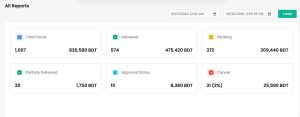
The provided business dashboard captures a brief 20-day operating window (September 1 to September 20), yet the numbers are a testament to high-volume digital trade. Processing over 1,000 total parcels with a combined monetary value exceeding 820,000 BDT demonstrates a robust consumer demand.
For modern entrepreneurs, having access to this level of real-time tracking is a game-changer. The interface clearly segments revenue into “Delivered” (over 475,000 BDT successfully realized) and “Pending” statuses, allowing business owners to accurately project their cash flow and manage inventory without playing guessing games.
Conquering the E-commerce Return Problem
Perhaps the most impressive metric on this dashboard is the cancellation rate. In the South Asian e-commerce sector, high return-to-origin (RTO) or cancellation rates are notoriously known as the silent killers of profit margins, often hovering around 10% to 15% for many retailers.
This specific operational snapshot shows a phenomenally low cancellation rate of just 3% (amounting to 31 parcels). Achieving such a minimal rejection rate speaks volumes about three critical business pillars:
High Product Quality: Customers are receiving exactly what was advertised, reducing buyer’s remorse.
Targeted Marketing: The business is attracting high-intent buyers rather than impulsive shoppers.
Reliable Last-Mile Delivery: Fast and professional courier services ensure the customer is reached before they lose interest in the purchase.
The Future of Digital Entrepreneurship
As we look deeper into the future of digital retail, the integration of transparent, highly detailed logistics dashboards will become the standard. For small and medium enterprises (SMEs) to scale effectively, the focus must shift from simply generating sales to mastering fulfillment.
By keeping a close eye on metrics like partial deliveries and pending approvals, today’s digital entrepreneurs can quickly identify bottlenecks in their supply chain, address customer service issues proactively, and ultimately build a sustainable, highly profitable online empire.